
Ten sessions, the same frames
To keep the comparison fair, the Origin's image is shown with a standard one-click auto-stretch, because the file it saves is too flat to look at directly. How each side was made is described below.
Orion Nebula (M42)
emission nebula
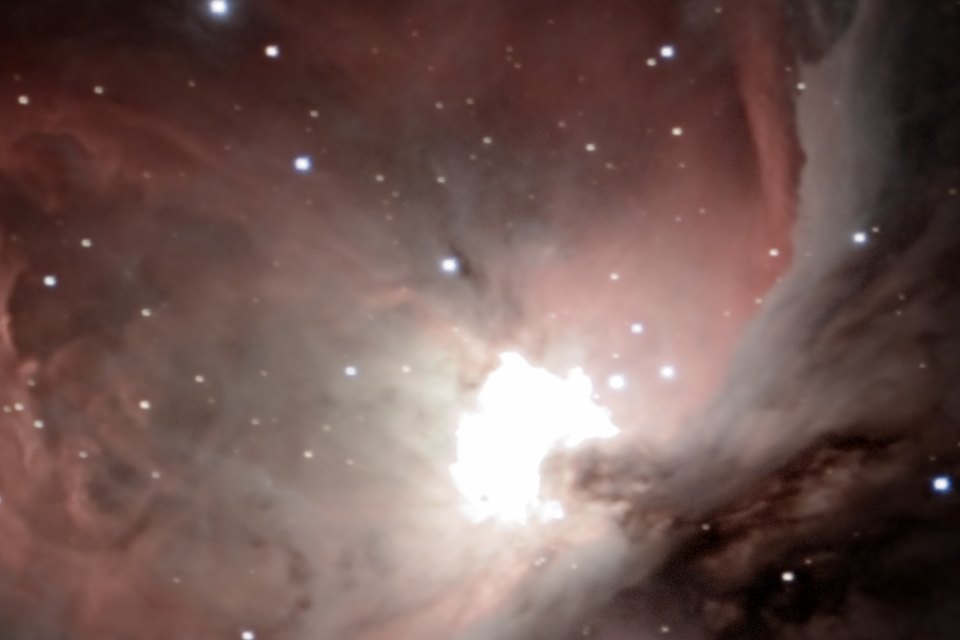
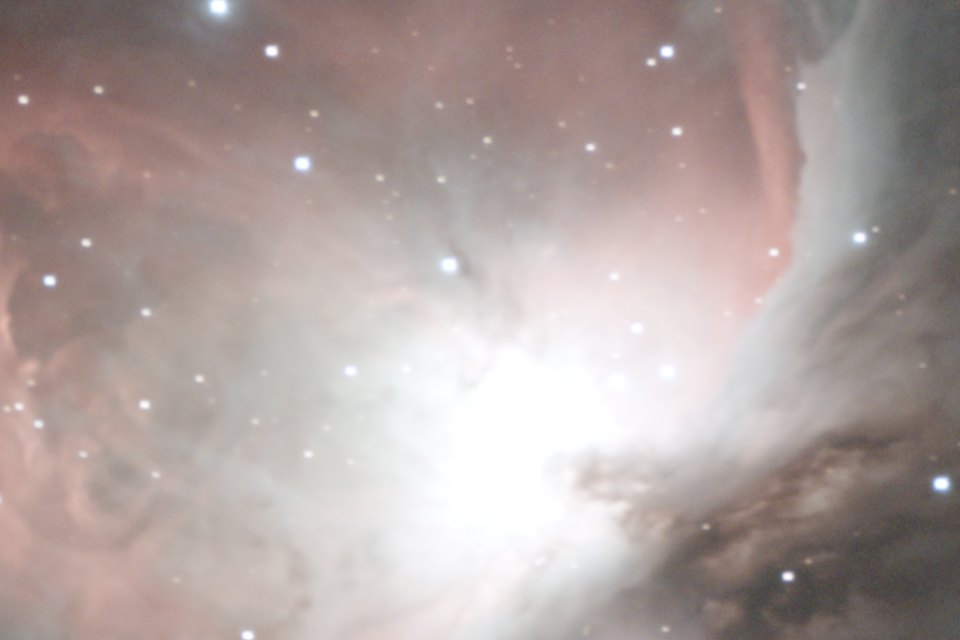 The Origin
OriginStack
130 frames, 43 minutes total exposure · OriginStack run 1 min 50 s
The auto-stretch blows out the bright core. OriginStack keeps the Trapezium region and the dark lanes around it, and the outer red loops show.
Horsehead Nebula (B33)
dark nebula
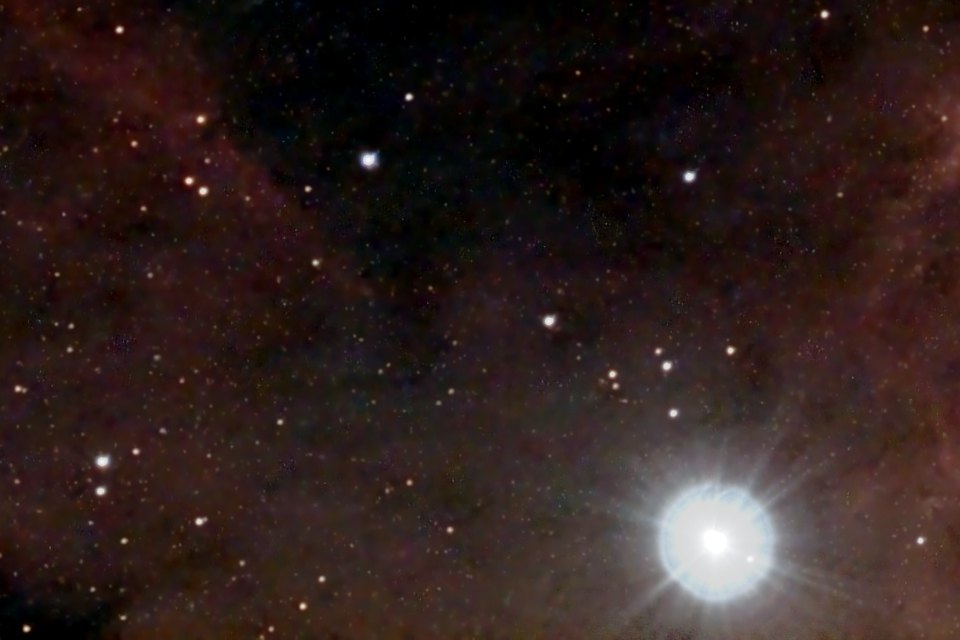
 The Origin
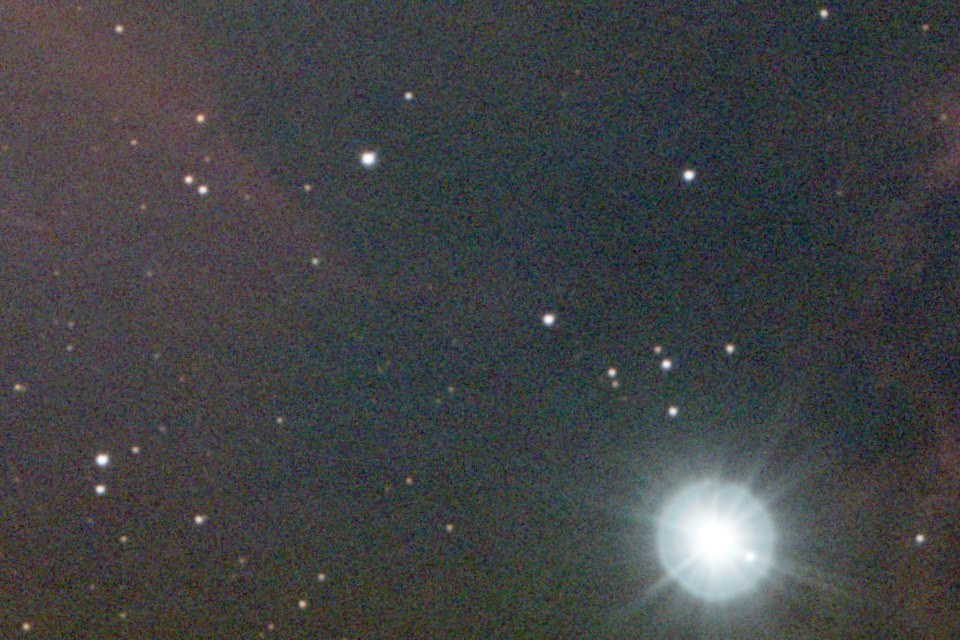
OriginStack
202 frames, 34 minutes total exposure · OriginStack run 2 min 37 s
The red hydrogen glow behind the Horsehead is grey haze in the Origin's image.
Trifid Nebula (M20)
emission and reflection nebula
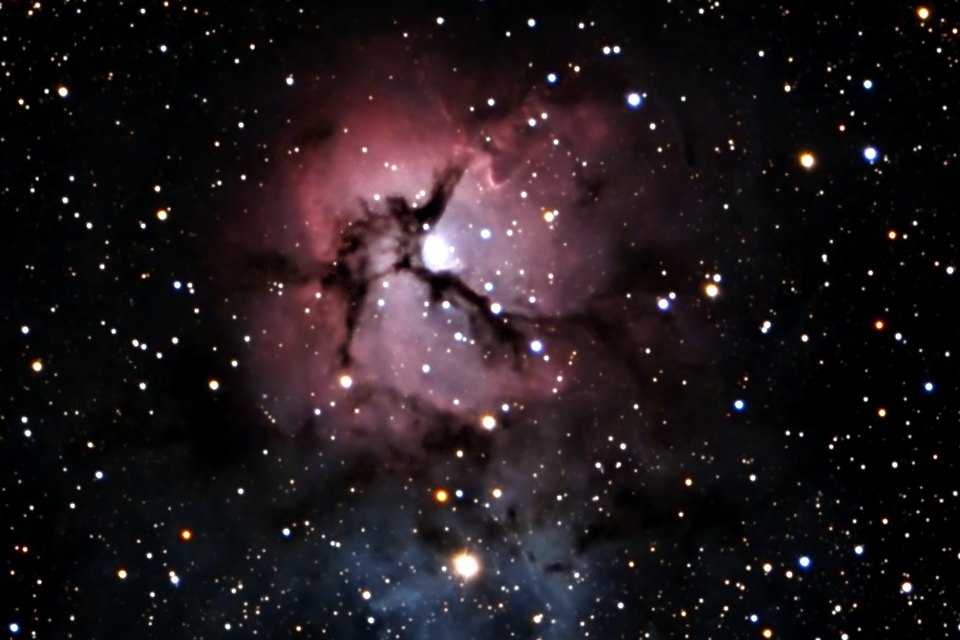
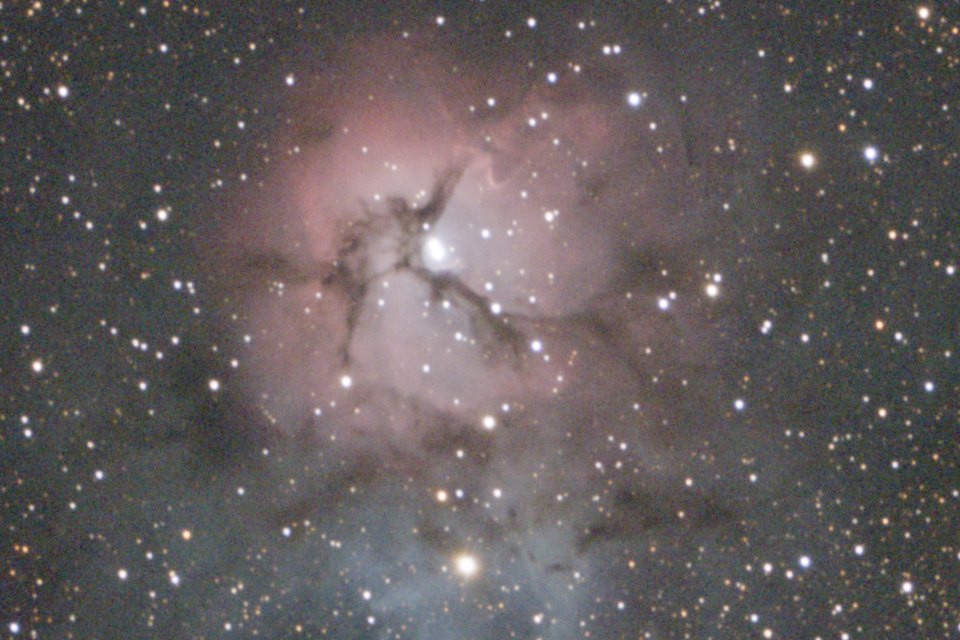 The Origin
OriginStack
238 frames, 40 minutes total exposure · OriginStack run 1 min 51 s
Both images show the dust lanes. OriginStack separates the red and blue halves and darkens the sky between the stars.
Lagoon Nebula (M8)
emission nebula
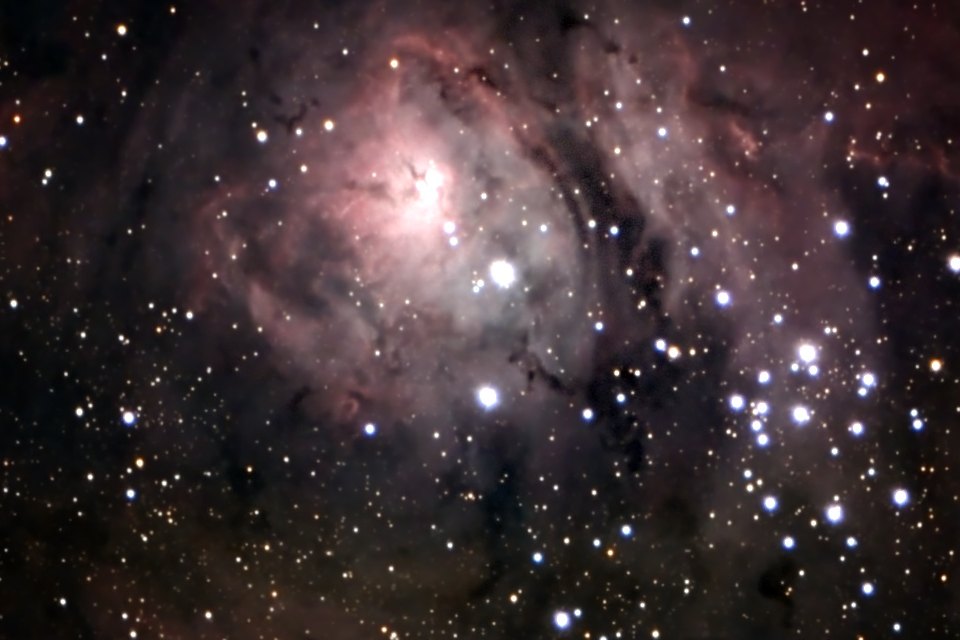
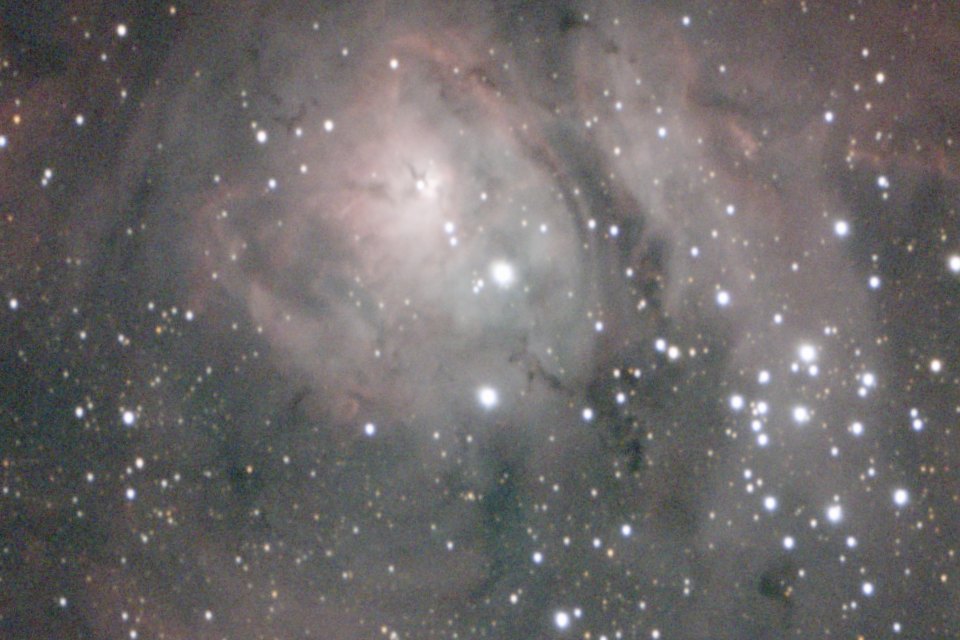 The Origin
OriginStack
153 frames, 26 minutes total exposure · OriginStack run 1 min 19 s
The nebula's structure is similar in both. The difference is colour and a sky that is black rather than grey.
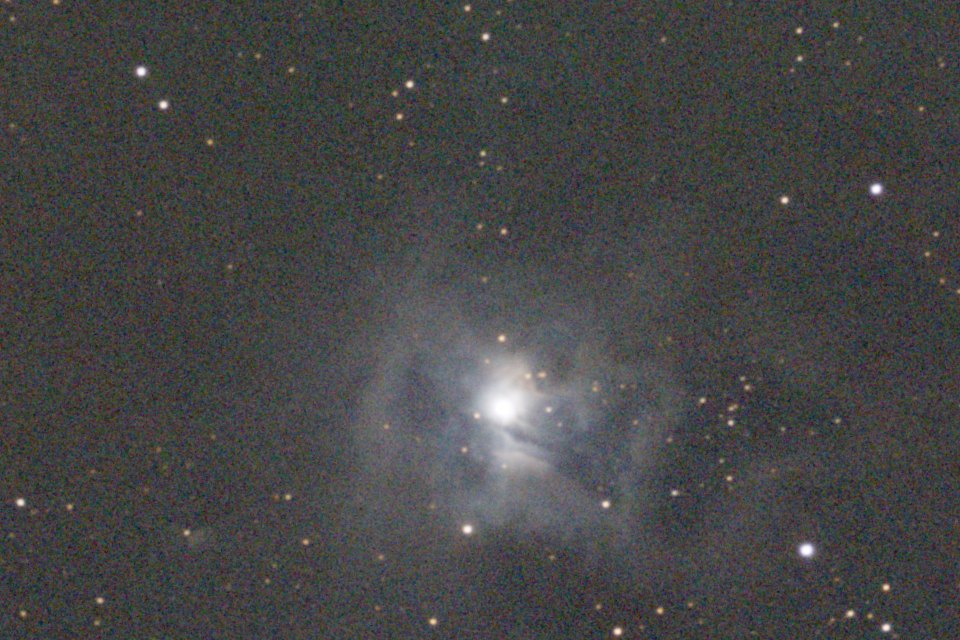
Iris Nebula (NGC 7023)
reflection nebula
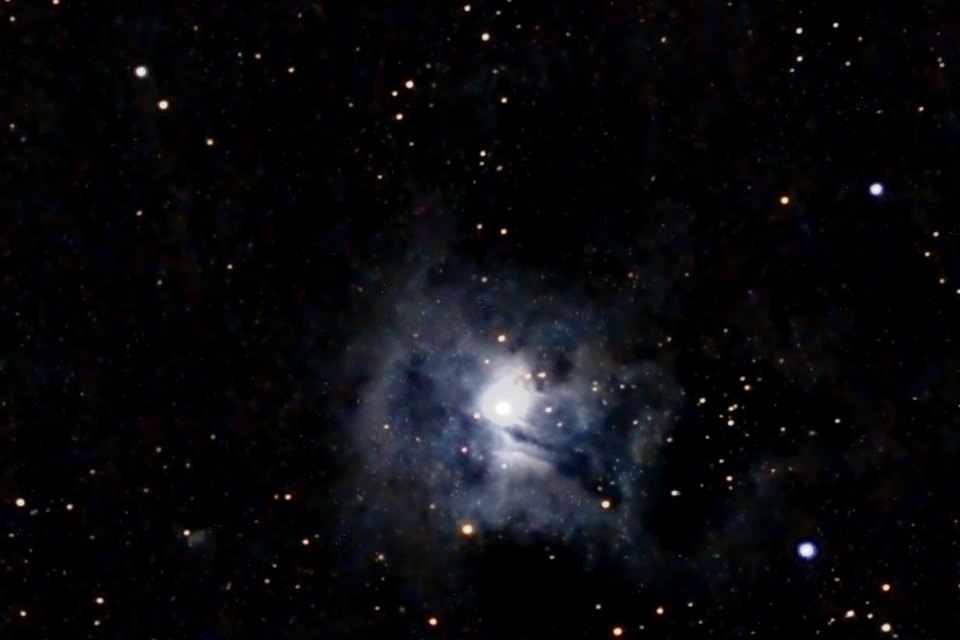
 The Origin
OriginStack
212 frames, 35 minutes total exposure · OriginStack run 1 min 28 s
The blue reflection nebula and the dark dust around it come out against a dark sky.
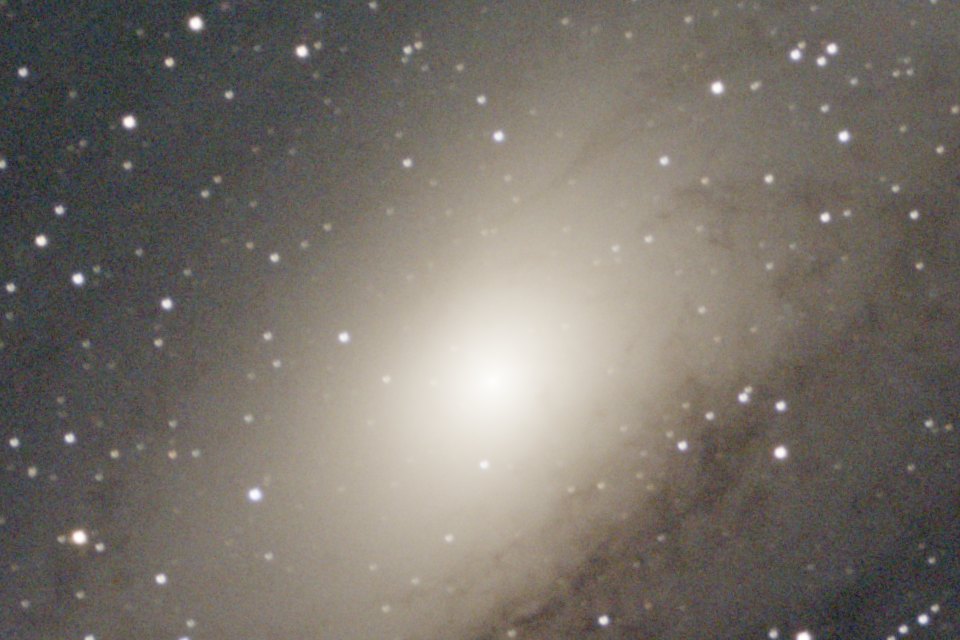
Andromeda Galaxy (M31)
galaxy
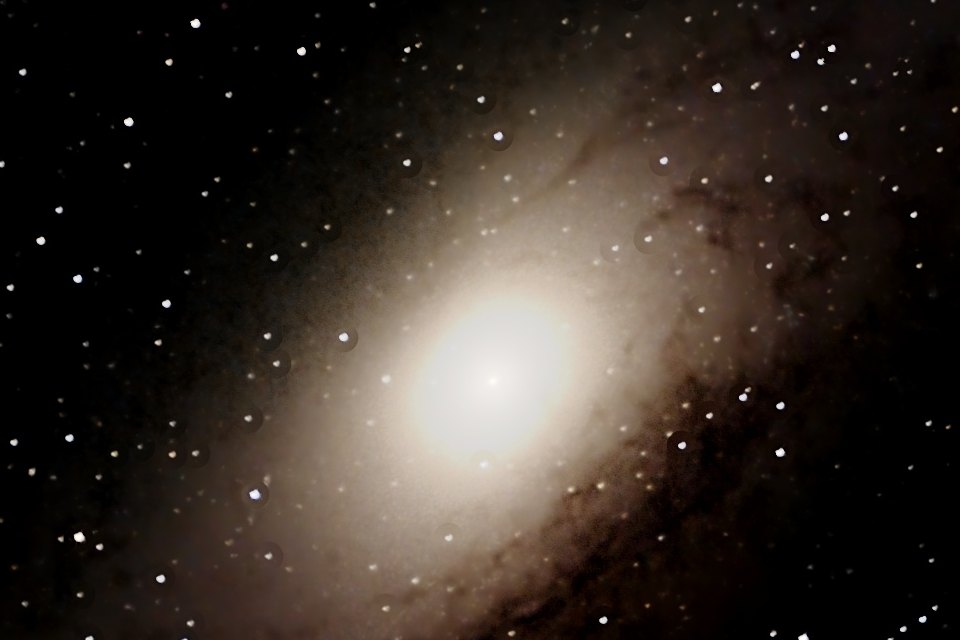
 The Origin
OriginStack
183 frames, 30 minutes total exposure · OriginStack run 1 min 34 s
The core is not clipped and the inner dust lane shows along the lower edge.
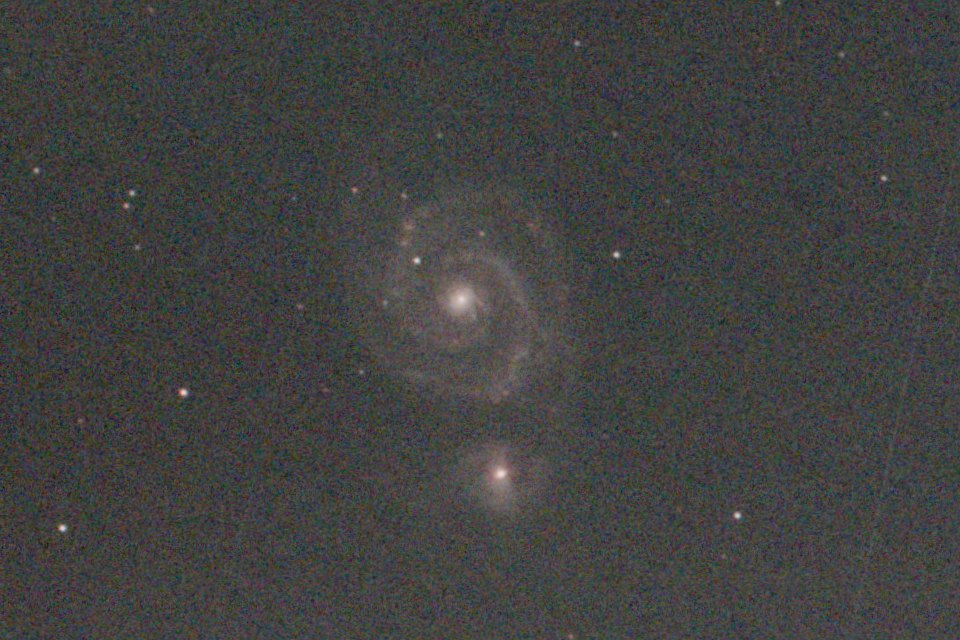
Whirlpool Galaxy (M51)
galaxy
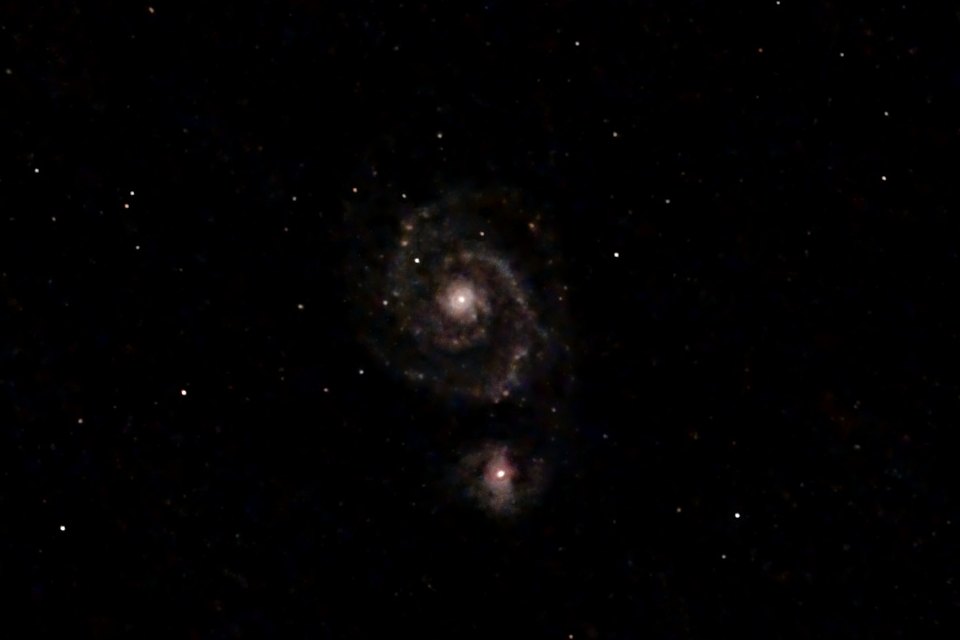
 The Origin
OriginStack
192 frames, 48 minutes total exposure · OriginStack run 2 min 06 s
The closest result of the ten: both show the spiral arms and the companion. OriginStack's sky is darker and smoother.
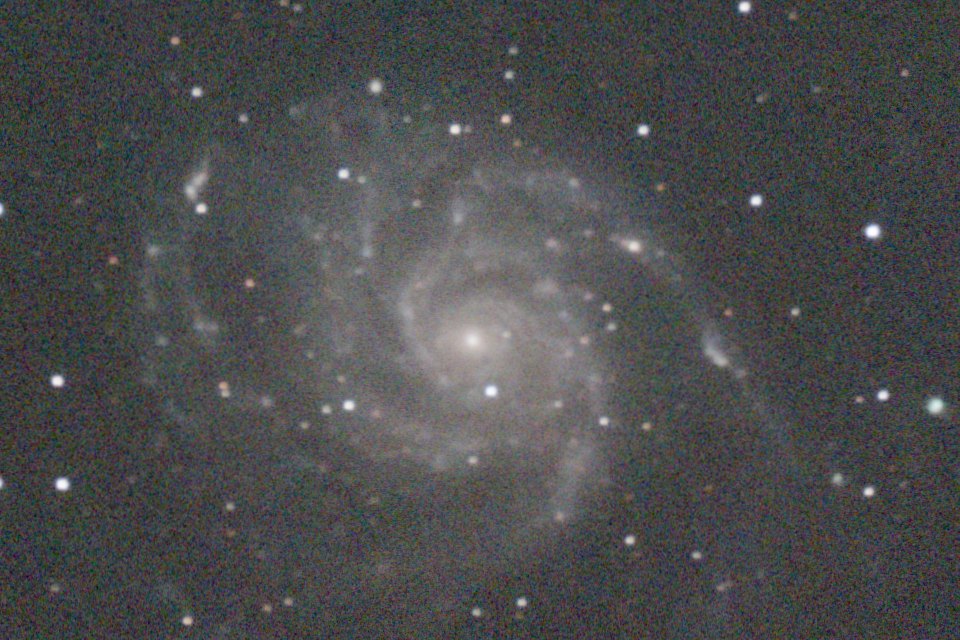
Messier 101 (Pinwheel Galaxy)
galaxy
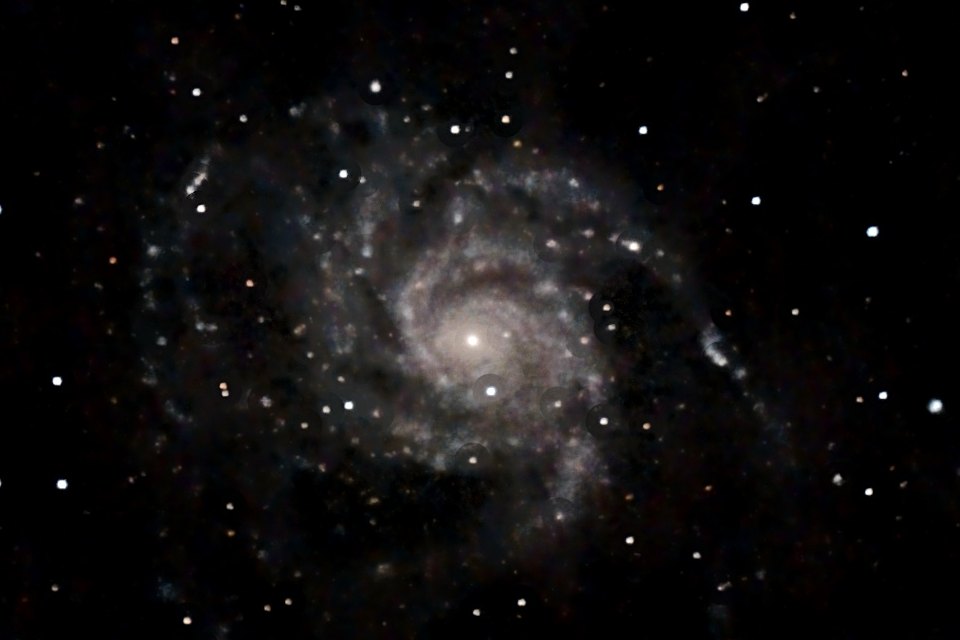
 The Origin
OriginStack
211 frames, 70 minutes total exposure · OriginStack run 2 min 05 s
The spiral arms and their knots of star formation are sharper, with less noise between them.
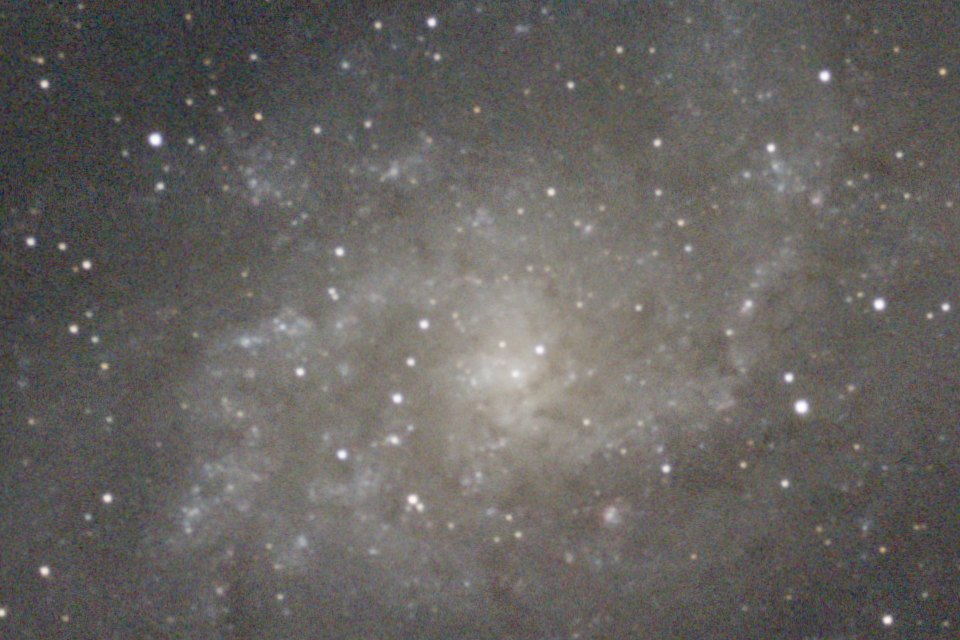
Triangulum Galaxy (M33)
galaxy
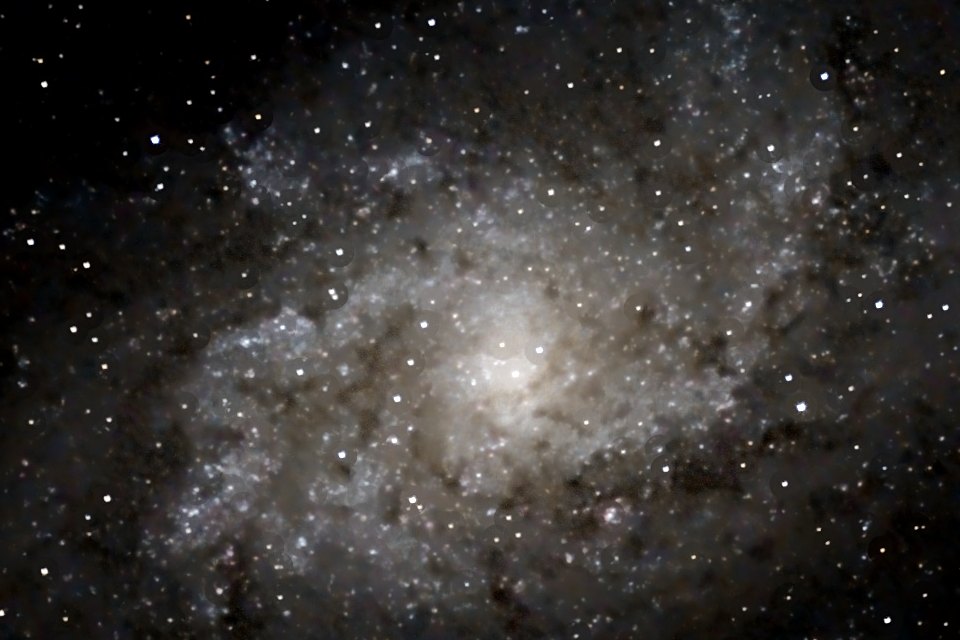
 The Origin
OriginStack
301 frames, 50 minutes total exposure · OriginStack run 2 min 24 s
The arms break up into star clouds and dark lanes, where the Origin's image shows a grey disc. The Origin's catalogue calls this target the Pinwheel Galaxy.
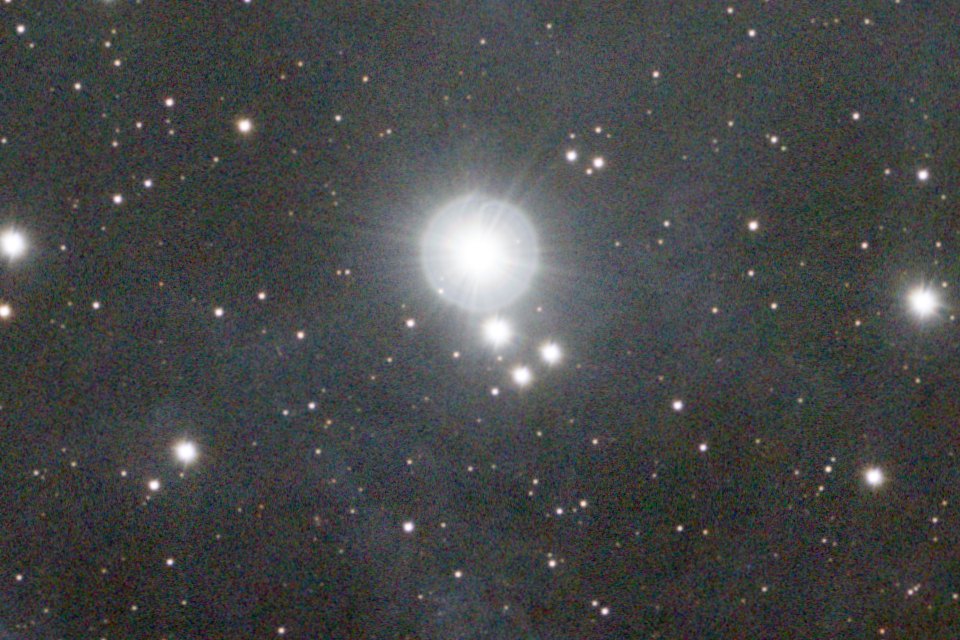
Pleiades (M45)
open cluster and reflection nebula
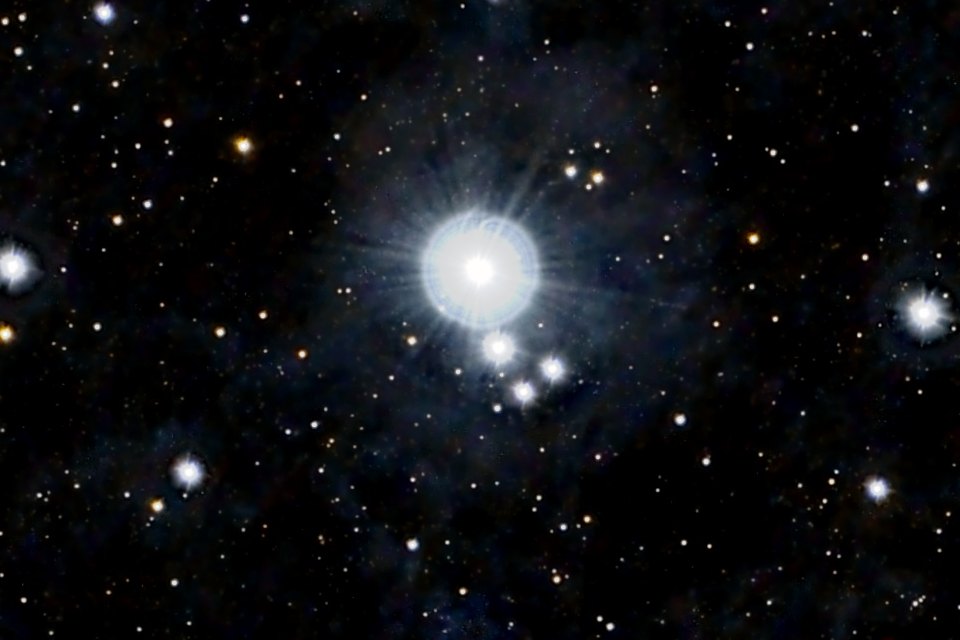
 The Origin
OriginStack
277 frames, 46 minutes total exposure · OriginStack run 2 min 24 s
The faint blue reflection nebula around the bright stars stands out from the sky.
How these were made
Left: the Origin
The left side is the FinalStackedMaster.tiff the Origin writes into each session folder. Its sky sits at mid-grey, so it is shown with PixInsight's standard automatic screen stretch at its published defaults: shadows clipped 2.8 noise units below the sky, sky placed at 25% brightness, each colour channel separately. These values were not tuned for this comparison. The Origin app may show its own image differently.
Right: OriginStack
The right side is OriginStack run on the same session folder with no options, and the preview JPEG it writes. Nothing was edited afterwards.
Matching the two
The Origin's image was rotated and shifted onto OriginStack's using a few hundred to a few thousand matched stars per target. The two stacks differ by about 180° plus up to 9° of field rotation. OriginStack trims the edges that not every frame covers, so the whole-frame view shows the area both images share.
What the difference is
Most of the difference is in what happens after stacking: background and colour calibration, noise reduction, star reduction and the stretch. On noise at the scale of a star, OriginStack's stack itself ties the Origin's own.
Timing
Run times are wall-clock for the whole run, from loading the frames to the finished image, on a 2020 laptop: Intel Core i9-10885H with 8 cores and 64 GB of RAM. The ten sessions took 1,178 seconds together, about two minutes each.
tools/bench_vs_origin.py measures OriginStack against the Origin's own stack on your own sessions.